Architecting Agentic Data Planes
Discover how agentic data planes-combining distributed, multi-model (graph, document, vector) storage tackle modern AI workloads with horizontal write scalability and real-time performance, moving beyond the limits of legacy architectures.
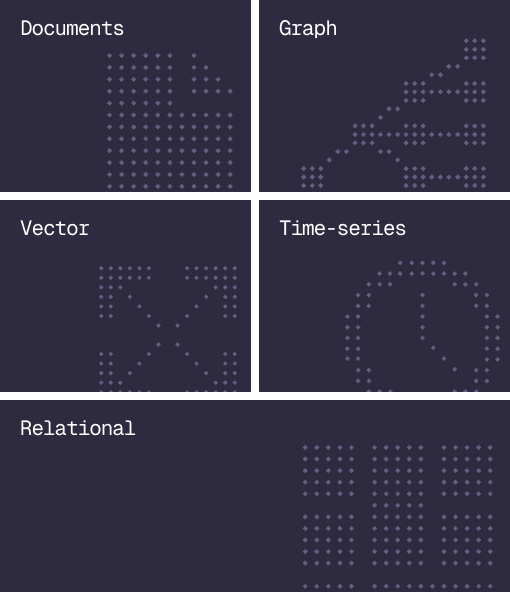
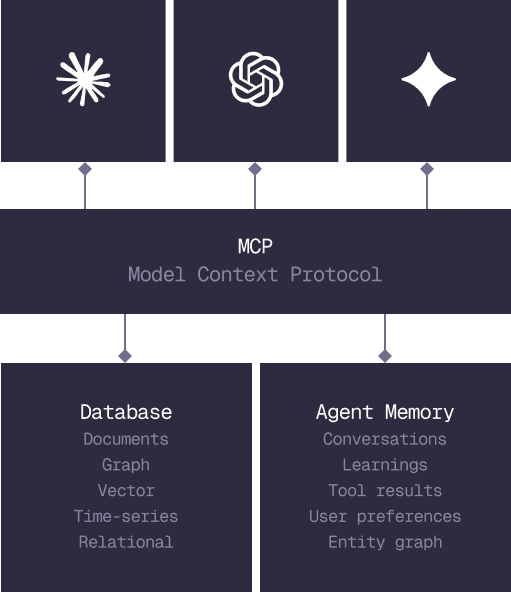
Agentic AI systems place new demands on data infrastructure: high write concurrency, bursty traffic, and mixed transactional retrieval workloads. This session uses OpenAI’s recent PostgreSQL scaling challenges as a case study to analyze where traditional database architectures break down, examining the operational trade offs and hidden costs that emerge when legacy systems reach their limits. We will demonstrate how to solve these bottlenecks by moving toward a natively distributed data plane, focusing on implementing horizontal write scalability, utilizing multi model access (graph, document, and vector), and serving both transactional and AI workloads from a single live dataset to avoid the architectural duct tape of traditional databases.
In this session you'll learn
- Where traditional single-writer and vertically scaled databases begin to break under agentic AI workloads
- How high write concurrency and mixed transactional + retrieval patterns reshape infrastructure requirements
- The operational and cost trade-offs of extending legacy PostgreSQL architectures at scale
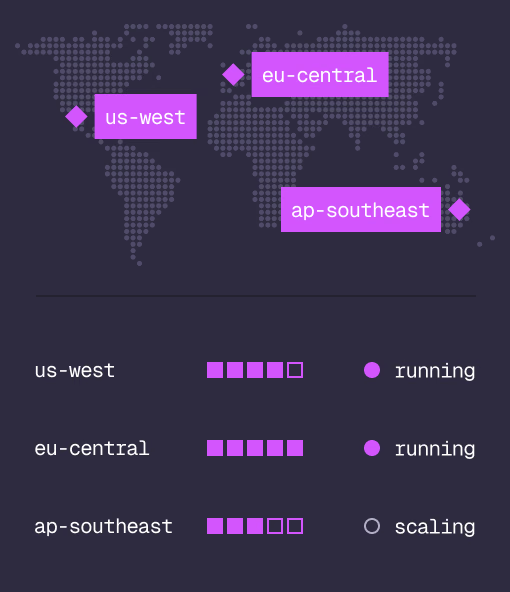
- What horizontal write scalability actually means in practice - beyond replicas and read scaling
- How a natively distributed, multi-model data plane (graph, document, vector) supports both AI and transactional workloads from a single live dataset